
How Do You Mitigate Radon in a Crawl Space Home in Southern Colorado?
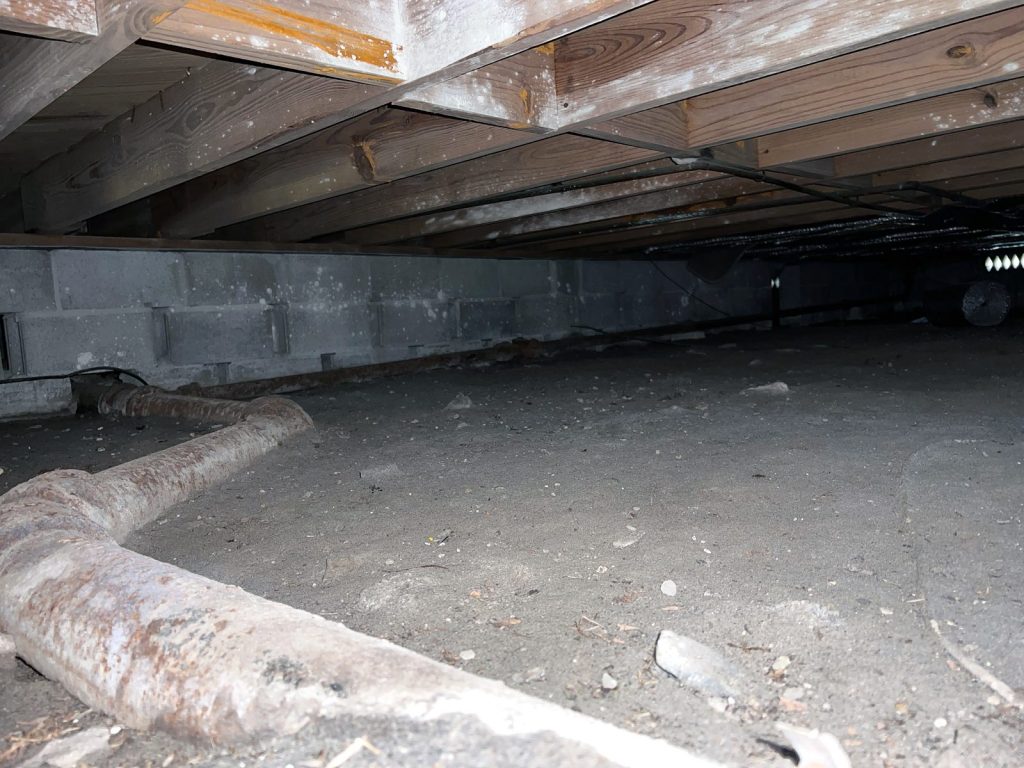
Many homes in Pueblo, Colorado Springs, Trinidad, and La Junta sit over a crawl space instead of a full basement. Some homeowners assume that leaves them safe from radon, since there's no basement slab sitting on the soil. Unfortunately, a crawl space can be one of the easiest places for radon to collect and move up into your living space. If your home has a crawl space, here's what you should know about how radon gets in, how to find out whether you have a problem, and how radon mitigation is handled when there's no slab to drill through.
Can a Home With a Crawl Space Have High Radon Levels?
Yes. Radon is a radioactive gas that forms naturally as uranium breaks down in soil and rock. Southern Colorado's geology has plenty of uranium-bearing rock, which is a big reason roughly half of Colorado homes test above the EPA's 4.0 pCi/L action level, and the statewide average is around 6.4 pCi/L.
A crawl space doesn't block that gas. Most crawl spaces have a bare dirt floor or a thin layer of gravel, so soil gas can rise straight into the space. From there, it moves up through gaps around plumbing, wiring, ductwork, and the subfloor into the rooms above. Vented crawl spaces don't solve the problem either, because outdoor air exchange is inconsistent and changes with the weather. Two homes on the same street can have very different results, which is why the reasons some homes have high radon concentrations come down to each individual house.
How Does Radon Get From the Crawl Space Into Your Living Space?
Radon moves with air. Your home naturally pulls air upward as warm air rises and escapes through the upper levels, especially during Colorado's colder months. That upward movement creates slightly lower pressure in the lower part of the house, and the crawl space becomes the source that replaces the escaping air.
Common pathways include:
- Gaps around pipes, drains, and electrical lines that pass through the subfloor
- Openings around ductwork, especially when a furnace or ducts are located in the crawl space
- Unsealed access hatches between the crawl space and the home
- Cracks and joints where the crawl space meets a partial basement or slab section
If your furnace or return ducts sit in the crawl space, leaks in that ductwork can pull crawl space air, and any radon in it, directly into your HVAC system and distribute it through the house.
How Do You Know if Your Crawl Space Home Has a Radon Problem?
The only way to know is to test. Radon has no smell, color, or taste, and you won't notice symptoms from exposure. A professional radon test should be placed in the lowest lived-in level of the home, not in the crawl space itself, because the goal is to measure the air your family actually breathes.
Short-term tests give you a quick snapshot, while longer tests show how levels shift with the seasons. Results can vary quite a bit from house to house even in the same neighborhood, something the team at Environmental Doctor explains well in their guide on why radon testing results vary house by house. If you're weighing a store-bought kit against a certified technician, Tennessee Radon Services has a helpful breakdown of DIY vs. professional radon testing.
What Is Sub-Membrane Depressurization and How Does It Work?
Sub-membrane depressurization is the standard method for reducing radon in crawl space homes. Instead of drilling through a concrete slab, the system creates a sealed barrier over the crawl space floor and pulls radon out from underneath it.
- A typical system includes:A heavy, durable plastic membrane laid over the dirt or gravel floor
- Seams overlapped and sealed, with the membrane sealed to the foundation walls and around support piers
- One or more suction points installed beneath the membrane
- PVC piping that runs from the suction point to a discharge point above the roofline
- A radon fan that creates continuous suction under the membrane and vents the gas safely outside
Because the fan keeps the area beneath the membrane at lower pressure than the crawl space above it, radon is drawn into the piping and exhausted outdoors instead of drifting into your home. ExperTech designs each system around the layout of the home, and you can see examples of finished installations in our radon mitigation system gallery.
Should You Combine Radon Mitigation With Crawl Space Encapsulation?
In many homes, it makes sense to look at both together. Crawl space encapsulation seals and insulates the space to control moisture, mold, and pests, and it uses many of the same materials as a sub-membrane radon system. When the two are planned together, the barrier can be installed with radon suction in mind from the start.
Encapsulation by itself is not a radon system, though. A sealed liner without active suction can slow radon entry, but it doesn't reliably lower levels below the action level. If your home tests high, the radon fan and piping are what do the heavy lifting. If you're already planning to clean up a damp or musty crawl space, it's worth talking with our team about addressing radon at the same time.
Will a Radon Mitigation System Make Your Crawl Space Less Usable for Storage?
Not usually. A well-installed membrane is durable enough to handle occasional foot traffic for maintenance, and many homeowners continue to use their crawl space for light storage. The key is to avoid dragging heavy or sharp items across the liner, since punctures and tears can let soil gas escape and weaken the system's suction. If the liner does get damaged, it can be patched, and it's a good idea to have the system checked afterward to make sure it's still performing well.
Can You Just Add More Crawl Space Vents Instead of Installing a Radon System?
No, adding vents is not a dependable way to lower radon. Passive ventilation depends on wind and outdoor temperatures, so the amount of fresh air moving through the crawl space changes from day to day. During cold Colorado nights, when homes pull the most air up from below, vents may do very little. Extra vents can also bring in moisture and cold air that make your floors chilly and raise the risk of frozen pipes. An active sub-membrane system is designed to work around the clock regardless of the weather.
What if Your Home Has Both a Crawl Space and a Basement or Slab Section?
Plan for a system that treats every foundation type in the home. Many Southern Colorado houses have additions, partial basements, or slab-on-grade sections next to a crawl space. Radon can enter through any area that touches the soil, so a system that only covers the crawl space may leave another section untreated. In those homes, a mitigation professional may connect a sub-slab suction point and a sub-membrane suction point to the same fan, or design separate legs of piping. A diagnostic look at the foundation before installation helps determine the most effective layout.
How Will You Know the System Is Working After It's Installed?
You'll know through a follow-up radon test and the system's pressure gauge. After installation, a post-mitigation test confirms that levels in your living space have dropped. Most systems also include a U-tube manometer on the piping, which shows that the fan is creating suction. If the fluid levels in the gauge even out, the fan may have stopped working. Retesting every couple of years, and after major renovations, is a good habit. If you notice the fan has gone quiet or the gauge looks off, schedule a radon system repair so the problem can be found and fixed.
Is Radon a Concern When Buying or Selling a Crawl Space Home?
Yes, and it's best to address it early in the process. Radon testing is a common part of home inspections in the Pueblo and Colorado Springs areas, and a high result can come up during negotiations. Buyers should ask for a test as part of their inspection period, and sellers may want to test before listing so there are no surprises. A crawl space home with an existing, properly working mitigation system and recent low test results gives everyone more confidence about the air quality in the house.
If you live in Pueblo, Colorado Springs, or anywhere else in our Southern Colorado service area, ExperTech Environmental can help you test your crawl space home and design a system that fits it. If you already have a system that isn't working the way it should, our team also handles radon system repair. Contact us today to talk with a certified radon professional.
