
Proudly Serving Colorado's Southern Front Range
RADON TESTING FOR COLORADO SPRINGS, PUEBLO & MORE
ExperTech Environmental performs local radon testing services in Pueblo, Colorado Springs, Trinidad, La Junta, Creston, and the surrounding areas, so that homeowners can be protected from radon. The process is simple, easy and affordable.
-
80% Of Our Systems Reduce Levels Below 2.0 pCi/L
-
100% Customer Satisfaction Guarantee
-
Transferrable Warranty


protecting your home from radon
Accurate Radon Testing. Fast Results.
At ExperTech Environmental, we specialize in radon testing services in Pueblo, Colorado Springs, and the surrounding area. We understand how important it is for you to stay safe and well-informed about radon levels in your home. We pride ourselves on fast and detailed radon reports so that you can sleep soundly.
Our radon testing services are designed to provide you with accurate and reliable results. We understand that radon can be a serious health hazard, so we strive to develop an accurate plan for testing radon levels in your home. By utilizing cutting-edge technology and innovative solutions, we are committed to providing you with knowledge and peace of mind so that you can make informed decisions about radon exposure in your environment - and personalized plans for radon mitigation. Our staff is experienced, trained, and certified in radon testing to ensure that each test meets the highest industry standards.
FAQS ABOUT RADON TESTING
If you have questions about residential radon testing, you certainly are not the first to ask!
If you have future questions, please don’t hesitate to ask one of our techs.
Why is radon testing important?
How does radon testing work?
Where does radon testing take place in my home?
What's the difference between a short-term and a long-term radon test, and which one do I need?
A short-term test stays in your home for anywhere from 2 to 90 days, depending on the device. A long-term test runs for more than 90 days. The difference matters because radon rises and falls from day to day and season to season.
- Short-term tests give a fast snapshot. They're the right choice when you need an answer now: during a home purchase, after a high reading from a neighbor's home, or as a first screening of your own home. All radon tests should run for at least 48 hours. Some devices, such as 7-day charcoal canisters, need longer.
- Long-term tests are a better picture of your home's year-round average, which is what your actual exposure is based on. They suit homeowners who aren't on a deadline, or who want to confirm a short-term result before deciding on mitigation.
For most people, the practical path is a professional short-term test first. If it comes back high, either retest or move straight to a mitigation estimate, depending on how high the number is (see "My first test came back high" below).
How long does a professional radon test take from start to finish?
Plan on roughly three to four days from setup to report:
- Setup (about one visit): a technician places a professional continuous radon monitor in the lowest livable level of your home and confirms that closed-house conditions are in place.
- Testing (48 hours minimum): the monitor records radon levels continuously for at least 48 hours, the minimum length for a valid radon test.
- Pickup: we retrieve the monitor after the 48-hour test period.
- Report: you receive your official emailed report within 24 hours of the test being completed.
For best results, closed-house conditions should start at least 12 hours before the monitor is placed, so keep that in mind when you schedule. In a real estate transaction, this timeline fits comfortably inside a typical inspection period as long as the test is ordered early.
What are "closed-house conditions," and what can I still do while the test is running?
Closed-house conditions keep outdoor air from diluting the radon in your home, so the test reflects what you actually breathe. For short-term tests of 2–4 days, these conditions should begin at least 12 hours before the test starts and continue for the whole test.
Keep doing:
- Living in the home normally, including coming and going through doors
- Running your furnace or air conditioning (but not settings that bring in outside air)
- Running bathroom or kitchen exhaust fans briefly
- Running an existing radon mitigation fan, which should never be turned off
Avoid during the test and the 12 hours before it:
- Opening windows, or propping doors open for long periods
- Whole-house fans, evaporative (swamp) coolers, or fresh-air ventilation systems that pull in outside air
- Fireplaces or wood stoves, unless they're your normal primary heat source
- Moving, unplugging, covering, or bumping the test device
If conditions are broken, for example a window left open overnight, tell us. Interfering with a test, especially during a real estate transaction, can invalidate the result and may be illegal in some states.
What do my radon test results mean?
Radon is measured in picocuries per liter of air (pCi/L). Here's how to read your number:
- 4.0 pCi/L or higher: this is the EPA action level. The EPA recommends fixing your home with a radon mitigation system.
- 2.0 to 3.9 pCi/L: below the action level, but not risk-free. The EPA recommends considering mitigation in this range, because there's no known safe level of radon exposure.
- Below 2.0 pCi/L: a low result. Retest periodically, because radon levels can change over time and with changes to your home.
For context, the average indoor radon level in U.S. homes is estimated at about 1.3 pCi/L, and outdoor air is roughly 0.4 pCi/L. Your report shows your average for the test period, and our technicians will walk you through what it means and whether mitigation makes sense for your home.
My first test came back high. Do I need a second test before installing a mitigation system?
It depends on how high the first result was:
- 10 pCi/L or higher: the EPA recommends a second short-term test, under closed-house conditions, right away. At this level, don't wait months for a long-term result.
- Between 4 and 10 pCi/L: you can follow up with either another short-term test (faster) or a long-term test (more representative of your yearly average).
- Below 4 pCi/L: no follow-up test is needed for now, though you may want to retest in the future, especially if you start using a lower level of the home more often.
If you take two short-term tests, average the results. If the average is 4 pCi/L or higher, the EPA recommends mitigation. A professional continuous monitor test placed under proper conditions is often enough for homeowners to move straight to a mitigation estimate, especially when a sale is on a deadline.
Should I use a DIY radon test kit or hire a professional with a continuous radon monitor?
Both can work. The right choice depends on why you're testing.
A DIY kit is a good fit when:
- you're screening your own home with no deadline
- you'll follow the lab's instructions exactly, including placement, timing, and closed-house conditions
- you choose a kit marked as certified by the National Radon Proficiency Program (NRPP)
Used correctly, a certified kit gives reliable results. The weak points are user error, mailing delays to the lab, and having only a single average number.
A professional continuous radon monitor (CRM) test is the better fit when:
- you're buying or selling a home and need a defensible result fast
- a DIY kit came back near or above 4.0 pCi/L and you want to confirm it before deciding
- you want to see how levels change hour by hour rather than as a single average
Professional CRMs record radon continuously throughout the test. A trained technician handles placement and test conditions, and you get a documented report without mailing anything to a lab. In Colorado, radon measurement for others must be performed by a state-licensed radon measurement professional.
How does radon testing work when buying or selling a home in Colorado?
Since August 2023, Colorado law requires every residential sales contract to include a bold-faced radon disclosure. It states that the Colorado Department of Public Health and Environment strongly recommends all home buyers have an indoor radon test before purchase, and that the seller must provide any known radon test results.
If you're buying:
- Schedule the radon test as early as possible in your inspection period, so there's time to negotiate if the result is high.
- CDPHE recommends hiring a licensed radon measurement professional using a professional-grade continuous radon monitor (or another approved device).
- If the result is 4.0 pCi/L or higher, mitigation can usually be negotiated with the seller like any other inspection item.
If you're selling:
- You must disclose any radon tests ever conducted, the most recent results, any mitigation performed, and whether a mitigation system is installed. This applies even if past results were below 4.0 pCi/L.
- Testing before you list avoids surprises during inspection. If your home already has a system, a current test shows the buyer it's working.
Renters also have the right to test their homes for radon. Our home buyers and sellers and real estate agents pages explain how we schedule around closing timelines.
How often should I retest, and how is testing different after a mitigation system is installed?
Radon levels can change over time, so one good result isn't permanent.
- Routine retesting: the EPA recommends retesting at least every two years, even if your first result was low or you already have a mitigation system.
- After changes to your home: retest after remodeling, finishing a basement, foundation or major HVAC work, or when you start using a lower level as living space. All of these can change how radon enters and where you're exposed.
- After a mitigation system is installed: a post-mitigation test should run 2–7 days under closed-house conditions. It should be done no sooner than 24 hours after the system's fan starts, and within 30 days of installation. This confirms the system brought your level down. An independent test, by a separate tester or yourself, avoids any conflict of interest.
- Between tests: check the system's pressure gauge (manometer) regularly. If the reading changes or the fan stops, retest and have the system checked.
If you'd like help timing your next test, we can schedule post-mitigation and routine retests with a professional continuous monitor.
What does ExperTech Radon charge for radon testing?
Radon’s Tech specs
Radon is an odorless, colorless, radioactive gas that is naturally occurring in the environment. It can be found in soil and rocks and can enter homes through cracks in floors or walls, construction joints, or openings around service pipes. Radon exposure increases the risk of lung cancer.

#1
Cause of Lung Cancer after smoking

Radon is a Tasteless odorless gas from radioactive decay

1 in 4 Homes in colorado are above the epa’s radon action level
Learn more in our radon resources, EPA's website or radon.org.


The Process To Test Your Property For Radon
1
CONTACT US
We pride ourselves on providing top-notch service and support, so don't hesitate to reach out.
2
Schedule Your Test
An experienced technician will come to your home and provide you with an in-depth assessment of the specific requirements needed for testing.
3
Set Up Radon Monitors
Our specialists will arrive on the previously scheduled date to setup radon monitors around your home..
4
Pickup After 48 Hours
We make scheduling radon testing pickup as easy and convenient as possible.
5
Deliver Results
Within 24 hours of the completion of your test, you will receive your official, emailed report with your results.
6
Mitigate If Necessary
After testing for radon is complete, we will review the results and discuss your options for mitigation if necessary.
WHY CHOOSE US
ExperTech Environmental provides comprehensive radon services that are carried out by certified technicians, using advanced testing and mitigation equipment and techniques. Our knowledgeable team works hard to ensure the safety of their homes and businesses by providing thorough inspections, detailed reports, and effective solutions for reducing radon levels.
-
RESPONSIVE SERVICE
...with an emphasis on providing fast response times and a commitment to exceeding customer expectations.
-
HIGHLY EXPERIENCED
More than 15+ years of experience in property inspection, construction, and radon services.
-
LOW LEVEL GUARANTEE
We promise our radon mitigation system will decrease your radon level below 4.0 pCi/L.
-
WARRANTY INCLUDED
Have peace of mind knowing that we provide a transferable renewable warranty for your radon system.
-
FAMILY OWNED & OPERATED
You can rely on us for reliable results and superior customer service every time.
-
QUALIFIED
Our expertly trained technicians are certified to meet all relevant industry standards and use the latest technology for precise measurement of radon levels.
Two Locations: Pueblo & Colorado Springs
Serving Colorado's Southern Front Range
ExperTech Environmental is a radon services provider dedicated to providing exemplary service to the residents of Pueblo, Colorado Springs, and the surrounding communities. ExperTech has served clients from all around Southern Colorado including Colorado Springs, Trinidad, La Junta and Creston.
-
80% Of Our Systems Reduce Levels Below 2.0 pCi/L
-
100% Customer Satisfaction Guarantee
-
Transferrable Warranty

RADON Certifications & Affiliations
Being an NRPP (National Radon Proficiency Program) Certified company means that we have been thoroughly certified by a third-party organization, verifying our expertise and knowledge in the field of radon testing and mitigation services.


WHAT OUR CLIENTS SAY ABOUT OUR RADON TESTING

David with ExperTech is very professional. He was responsive to our needs in a timely manner. Would highly recommend him to anyone needing the services he provides. Thanks so much David.
Extremely professional, they completed our entire crawl space in one day and did great work! They even cleaned out all of our insulation and took it away! Very happy with the results, thank you so much!
Resources
Let us be your source for quick, comprehensive answers to all of your radon questions! Our expert staff is standing by to help.
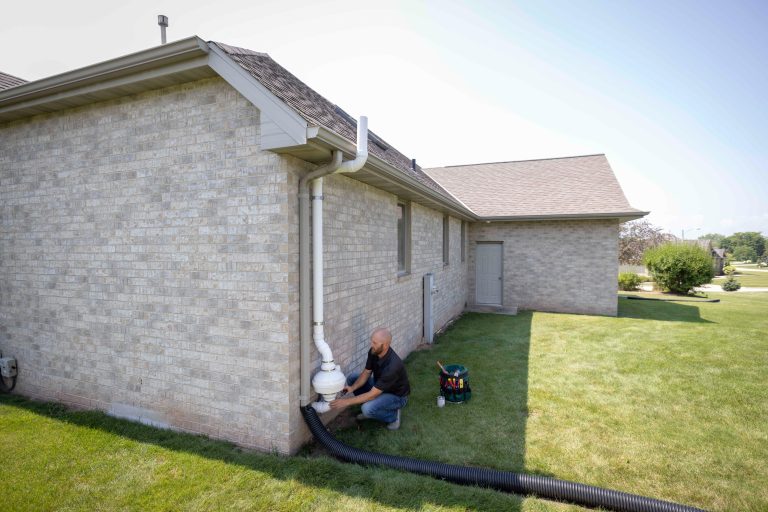
What To Look For When Hiring A Radon Mitigation Company
Qualifications and Certifications to Prioritize Choosing a radon mitigation company requires careful attention to their qualifications and certifications. Look for credentials from the National Radon Proficiency Program (NRPP), the National Radon Safety Board (NRSB), and any state-related certifications. These certifications ensure the company follows industry standards and employs trained professionals. Verifying these certifications is simple....
Radon in Rental Properties: Understanding Landlord and Tenant Responsibilities
Radon is a naturally occurring radioactive gas that possesses a significant health risk, primarily causing lung cancer with prolonged exposure. It is colorless, odorless, and generally accumulates in enclosed spaces, making it crucial for rental properties to address radon issues proactively. This article will outline the responsibilities that both landlords and tenants have in terms...

Commercial Radon Testing in Pueblo and Colorado Springs: What You Need To Know
Radon is a significant health concern in Colorado, where nearly half of all structures contain elevated levels of this odorless gas. For property managers, school administrators, and business owners, ensuring indoor air quality is a critical responsibility. While residential awareness is growing, the risks in commercial spaces and educational facilities are equally pressing. Understanding the...
Get Your Radon Testing Started Today
Get reliable and trustworthy radon testing results in Pueblo, Colorado and the surrounding area. Call us now to make sure your home is safe!
For reliable radon mitigation services, trust the experts at Expertech Environmental - every time.
